Why should you care about sea turtles in Andaman? These incredible creatures play a vital role in maintaining healthy oceans. They help control jellyfish populations, maintain seagrass beds, and transport nutrients from the ocean to beaches. Sadly, six out of seven sea turtle species worldwide are threatened with extinction. The Andaman Islands give us a unique chance to witness these prehistoric survivors in their natural habitat while contributing to their protection.
Before you pack your bags for an Andaman adventure, understanding these remarkable animals will transform your trip from a simple vacation into a meaningful wildlife experience. Knowing when and where to spot them, how to observe them responsibly, and why they need our protection will make your encounter unforgettable while ensuring future generations can enjoy the same privilege.
Species of Sea Turtles Found in the Andaman Islands
The Andaman wildlife includes four spectacular sea turtle species, each with unique characteristics and behaviours.
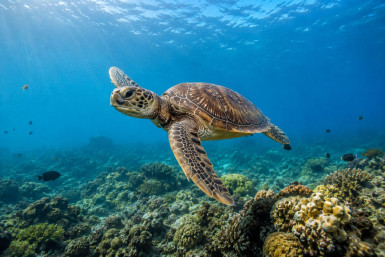
1. Green Sea Turtle (Chelonia mydas)
The green sea turtle Andaman population is one of the healthiest in Indian waters. Despite their name, these turtles aren't always green – adults have olive or brown shells with beautiful patterns. They get their name from the green fat under their shell, which comes from their plant-based diet.
Physical Features:
- Length: 3-4 feet
- Weight: 150-400 pounds
- Heart-shaped shell with smooth plates
- Small head compared to body size
2. Hawksbill Turtle (Eretmochelys imbricata)
The hawksbill turtle Andaman population is critically endangered but still visits these islands regularly. Their beautiful shell patterns have made them victims of illegal trade for centuries.
Distinctive Features:
- Sharp, curved beak like a hawk
- Overlapping shell plates
- Length: 2-3 feet
- Weight: 100-150 pounds
3. Olive Ridley Turtle (Lepidochelys olivacea)
The olive ridley turtle Andaman visitors are the smallest sea turtles in these waters. They're famous for their synchronized mass nesting called "arribada," though this phenomenon is rare in the Andaman Islands.
Key Characteristics:
- Olive-grey heart-shaped shell
- Length: 2-2.5 feet
- Weight: 80-100 pounds
- Most abundant sea turtle species globally
4. Leatherback Turtle (Dermochelys coriacea)
Leatherback turtle Andaman sightings are special because these are the largest sea turtles in the world! They're the only sea turtle without a hard shell.
Unique Features:
- Leather-like skin instead of a hard shell
- Length: 6-7 feet
- Weight: 600-1,500 pounds
- Can dive deeper than 4,000 feet
Comparison of Sea Turtle Species in Andaman
| Species | Scientific Name | Average Size | Diet | Turtle Nesting Season Andaman | Conservation Status | Common Sighting Areas |
|---|---|---|---|---|---|---|
| Green Sea Turtle | Chelonia mydas | 3-4 feet, 150-400 lbs | Seagrass, algae | November-April | Endangered | South Button Island, Neil Island |
| Hawksbill Turtle | Eretmochelys imbricata | 2-3 feet, 100-150 lbs | Sponges, coral | December-March | Critically Endangered | Coral reefs near Havelock |
| Olive Ridley | Lepidochelys olivacea | 2-2.5 feet, 80-100 lbs | Crabs, shrimp, fish | November-March | Vulnerable | Kalipur Beach, Karmatang Beach |
| Leatherback | Dermochelys coriacea | 6-7 feet, 600-1,500 lbs | Jellyfish | December-February | Vulnerable | Great Nicobar, Little Andaman |
Understanding Turtle Nesting Behavior
Turtle nesting in Andaman is a remarkable natural phenomenon that happens every year. Female sea turtles return to the same beaches where they were born, sometimes travelling thousands of miles!
The Nesting Process:
Beach Selection: Females choose quiet, dark beaches above the high-tide line.
Digging: Using rear flippers, they dig a nest 1-2 feet deep.
Egg Laying: Deposit 50-200 ping-pong ball-sized eggs.
Covering: Carefully cover the nest with sand.
Return to Sea: Leave the eggs to incubate naturally.
Incubation Facts:
- Temperature determines gender (warmer = more females).
- Incubation period: 45-70 days.
- Hatchlings emerge at night.
- Only 1 in 1,000 survives to adulthood.
Best Places to See Sea Turtles in Andaman
The best places to see sea turtles in Andaman offer responsible viewing opportunities.
Top Turtle Watching Locations:
1. Kalipur Beach, North Andaman
- Best for: Olive Ridley nesting
- Season: December-February
- Special feature: Undisturbed nesting site
2. Karmatang Beach (Turtle Nesting Ground)
- Famous Andaman beaches for turtle nesting
- Managed by the Forest Department
- Night watching with permission
3. South Button Island National Park
- Green sea turtle haven
- Snorkeling opportunities
- Part of marine biodiversity in Andaman
4. Radhanagar Beach, Havelock
- Occasional nesting site
- Best for swimming with turtles
- Popular eco-tourism Andaman spot
Migration Patterns and Lifestyle
Sea turtles are incredible navigators, using Earth's magnetic field to travel across oceans.
Migration Facts:
- Travel 1,000-3,000 miles between feeding and nesting grounds.
- Return to birth beaches after 15-30 years.
- Males never return to land after hatching.
- Can live 50-80 years in the wild.
Daily Life:
- Spend 90% of time underwater.
- Surface every 5-40 minutes to breathe.
- Sleep underwater near rocks or coral.
- Social creatures often seen in groups.
Threats Facing Sea Turtles
Understanding threats helps us protect these ancient mariners.
Major Dangers:
- Plastic Pollution: Mistaken for jellyfish.
- Fishing Nets: Accidental capture (bycatch).
- Coastal Development: Loss of nesting beaches.
- Light Pollution: Disorients hatchlings.
- Climate Change: Rising temperatures affect gender ratios.
- Illegal Egg Collection: Though banned, still occurs.
- Boat Strikes: In busy waterways.
Turtle Conservation in Andaman
Turtle conservation Andaman efforts involve government agencies, NGOs, and local communities working together.
Conservation Measures:
- Protected nesting beaches.
- Hatchery programs for vulnerable nests.
- Community education programs.
- Strict penalties for poaching.
- Beach lighting regulations.
- Fishing net modifications.
How to Be a Responsible Turtle Watcher
Wildlife tourism in Andaman can support conservation when done right.
Do's:
- Maintain 15-20 feet distance.
- Use red lights at night (less disturbing).
- Follow guide instructions.
- Report injured turtles to authorities.
- Support local conservation efforts. Take only photographs.
Don'ts:
- Never touch turtles or eggs.
- Don't use flash photography.
- Avoid loud noises.
- Don't feed wild turtles.
- Never buy turtle products.
- Don't leave trash on beaches.
Best Season for Turtle Sightings
The turtle nesting season in Andaman varies by species.
Peak Seasons:
- November-April: Overall best time.
- December-February: Peak nesting period.
- March-May: Hatchling season.
- Year-round: Swimming/feeding turtles.
Weather Considerations:
- Calm seas: October-May.
- Monsoon season: June-September (limited access).
Fascinating Sea Turtle Facts
Amazing Abilities:
- Can hold breath for 4-7 hours while resting.
- Swim up to 22 mph.
- Navigate using magnetic fields.
- Cry to remove excess salt.
- Some species can't retract into shells.
- Existed before dinosaurs.
Myths vs Facts About Sea Turtles
| Myth | Fact |
|---|---|
| Turtles are slow | They're fast swimmers, slow only on land |
| All turtles can hide in shells | Sea turtles cannot retract heads or flippers |
| Turtles are silent | They make various sounds, especially during mating |
| Baby turtles need help reaching the ocean | Human intervention often causes more harm |
| All sea turtles eat fish | Green turtles are herbivores as adults |
How Tourists Can Help Protect Sea Turtles
Every visitor to marine life Andaman can make a difference.
Simple Actions:
- Participate in beach cleanups.
- Choose eco-friendly accommodations.
- Support turtle-friendly seafood.
- Donate to conservation organizations.
- Spread awareness on social media.
- Report turtle sightings to authorities.
- Buy reef-safe sunscreen.
Travel Tips for Eco-Conscious Visitors
Make your Andaman nature guide experience memorable and responsible.
Essential Tips:
- Book tours with certified eco-operators.
- Carry reusable water bottles.
- Use biodegradable toiletries.
- Respect local regulations.
- Hire local guides.
- Stay on designated paths.
- Leave no trace behind.
Frequently Asked Questions
1. When is the best time to see sea turtles nesting in Andaman?
The peak turtle nesting season in Andaman runs from December to February. Green sea turtles nest from November to April, while olive ridleys prefer December to March. Plan your visit during these months for the best chances. Andaman Bliss offers specialized turtle-watching tours during peak season with expert naturalists.
2. Can tourists watch sea turtles nesting at night?
Yes, but only at designated beaches with proper permits and trained guides. Karmatang Beach and Kalipur Beach offer supervised night watching programs. Never attempt to find nesting turtles on your own, as it disturbs their natural behaviour.
3. Are sea turtles dangerous to humans?
Sea turtles are gentle creatures and pose no threat to humans. They may bite only if harassed or threatened. Always maintain a respectful distance of at least 15 feet and never attempt to touch or ride them.
4. Which beaches in Andaman are best for turtle sightings?
Top Andaman beaches for turtle nesting include Kalipur Beach, Karmatang Beach, and beaches in South Button Island. For swimming with turtles, try Elephant Beach and the waters around Neil Island. Andaman Bliss guides know the best current spots.
5. How can I identify different sea turtle species?
Look at their shells and heads: Green turtles have smooth, heart-shaped shells; hawksbills have overlapping plates and pointed beaks; olive ridleys are smallest with round shells; leatherbacks have leather-like skin instead of hard shells.
6. Is it legal to collect turtle eggs or shells in Andaman?
Absolutely not. All sea turtles are protected under Indian wildlife laws. Collecting eggs, shells, or harming turtles carries severe penalties, including imprisonment. Report any illegal activity to forest officials immediately.
7. What should I do if I find an injured sea turtle?
Don't try to help it yourself. Note the exact location, take a photo if possible, and immediately contact the Forest Department or local authorities. Keep others away from the turtle until help arrives.
8. Can children participate in turtle watching activities?
Yes! Turtle watching is an excellent educational experience for children. Ensure they understand the importance of staying quiet and maintaining distance. Andaman Bliss offers family-friendly turtle tours with activities designed for young nature enthusiasts.
9. Do sea turtles nest on popular tourist beaches?
Some popular beaches like Radhanagar occasionally see nesting, but turtles prefer quieter, undeveloped beaches. The Forest Department protects known nesting sites and may temporarily restrict access during peak nesting season.
10. How long do baby turtles take to reach the ocean?
Hatchlings typically take 20-40 minutes to reach the ocean, depending on nest distance from water. Never help them or use lights, as this natural journey helps them imprint their birth beach for future nesting.
Your Role in Protecting Andaman's Ocean Heritage
The sea turtles of the Andaman and Nicobar Islands represent millions of years of evolution and survival. These remarkable creatures connect us to our planet's ancient past while reminding us of our responsibility to protect its future. Every visitor to these islands becomes part of their story – whether as a threat or a protector is entirely your choice.
By choosing responsible wildlife tourism Andaman practices, supporting turtle conservation Andaman efforts, and spreading awareness, you help ensure these gentle giants continue gracing our oceans. The magic of watching a mother turtle nest under starlight or seeing hatchlings race toward the waves creates memories that last a lifetime while inspiring a deeper connection with nature.
Ready to witness this incredible natural phenomenon while contributing to conservation? Andaman Bliss specializes in responsible wildlife tours that respect local ecosystems and support community conservation efforts. Our expert guides ensure you experience the wonder of sea turtles in Andaman while following best practices for wildlife observation. Contact us today to plan a memorable and eco-friendly Andaman adventure that makes a positive difference for these ancient mariners and their island home.